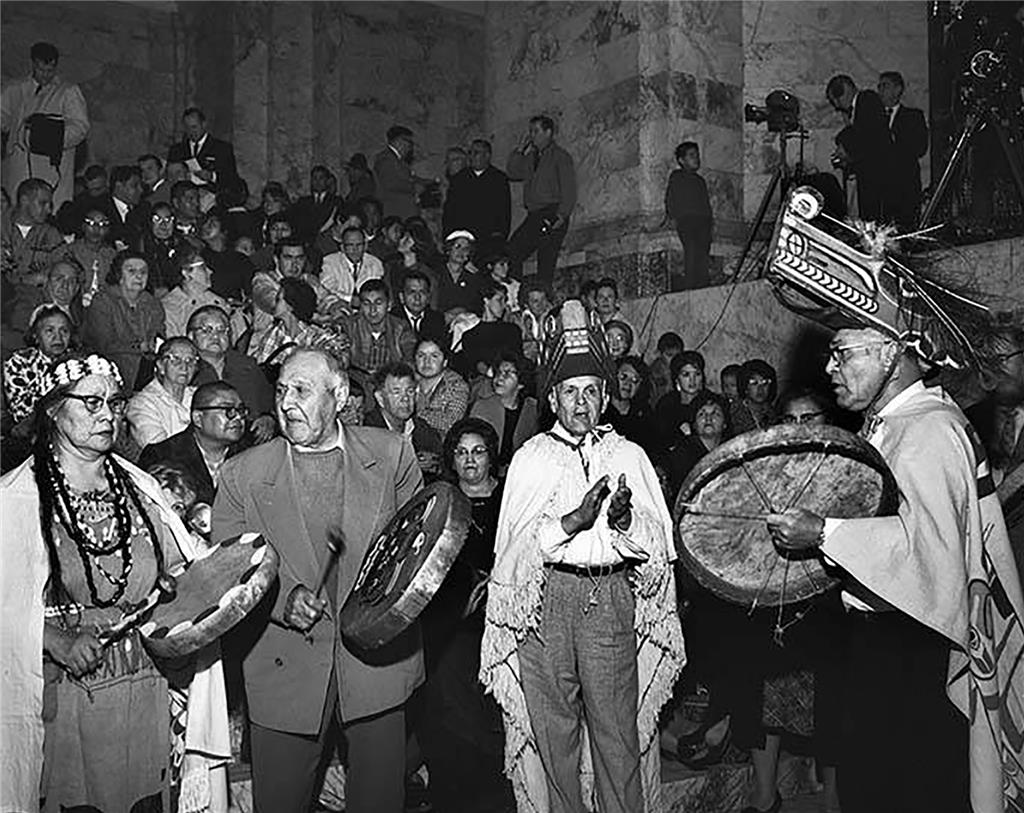
How have Washingtonians used the courts to protect their civil liberties?
Introduction
What happens when someone believes their rights have been violated, and they take the case all the way to the state’s highest court? In this inquiry, students explore how people in Washington State have used the legal system to defend and define civil liberties such as free speech, equal protection, privacy, and religious freedom. Through real court cases argued before the Washington State Supreme Court, students examine how laws are challenged, what the justices consider, and how decisions shape what rights mean in everyday life. This inquiry helps students see the Washington State Constitution not just as a document, but as a living set of principles tested by real people and real problems.
Images
HistoryLink Articles
Washington State Supreme Court Cases
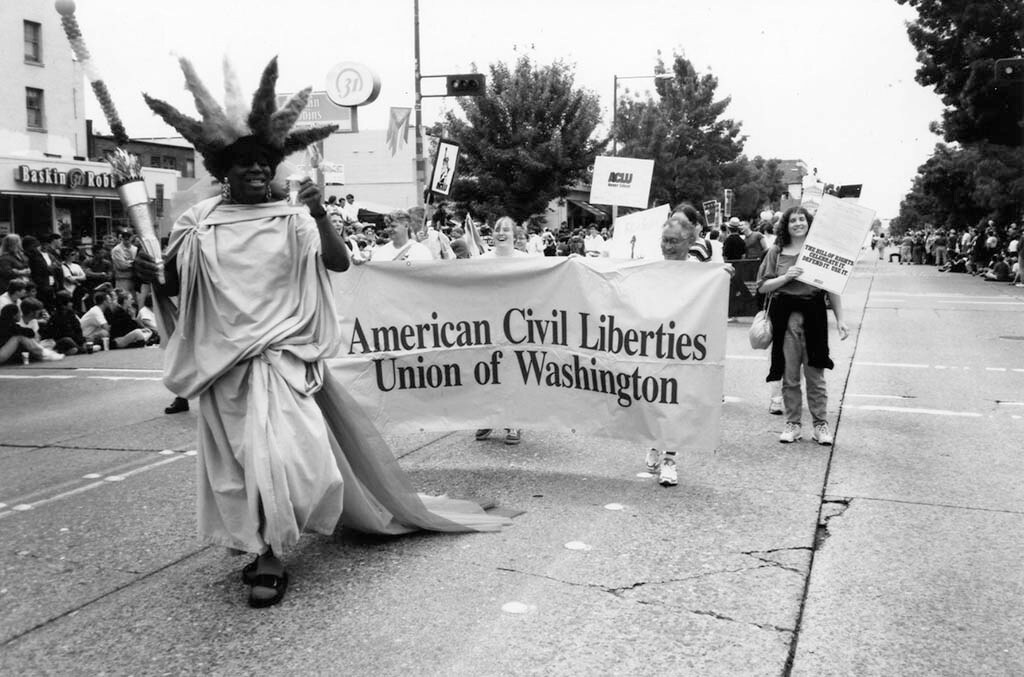
- American Civil Liberties Union of Washington
- Guiding Question: How have people partnered with the ACLU to protect their rights in Washington?
- Summary: This article explains how the ACLU of Washington has used the courts for nearly 100 years to defend civil liberties such as free speech, freedom of religion, voting rights, and equal treatment under the law. Sections about major court cases and cases involving schools are especially pertinent.
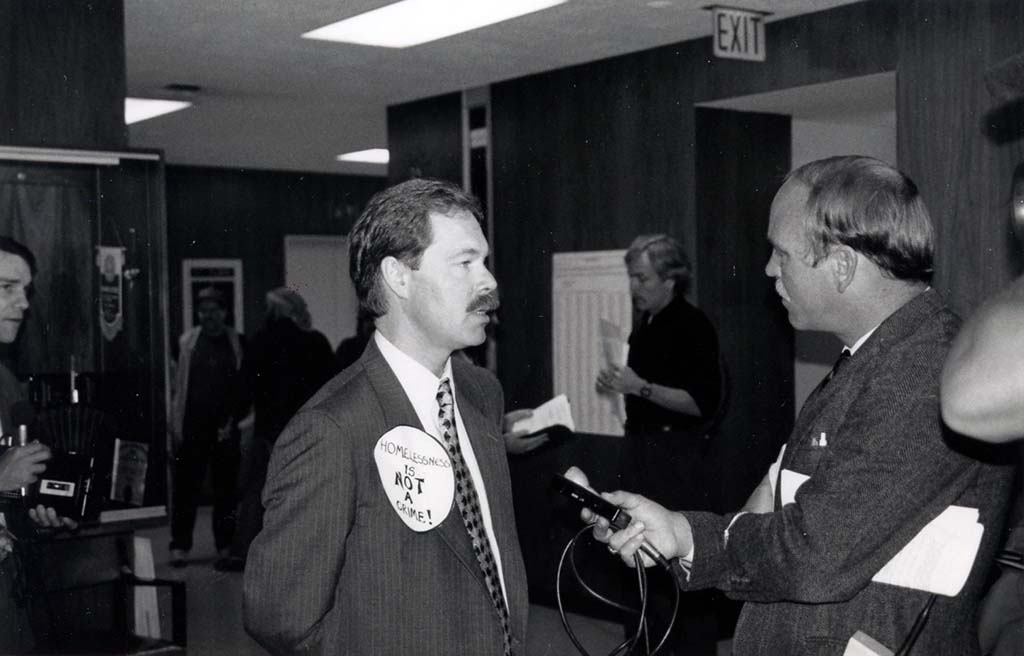
- Washington State Supreme Court decision issued on March 12, 2008, holds that suspicionless drug testing of student athletes is unconstitutional.
- Guiding Question: How did students and families use the courts to protect their privacy rights?
- Summary: This article explains how Washington families and the ACLU used the courts to challenge a school district’s drug-testing policy, leading the Washington Supreme Court to protect student privacy rights.
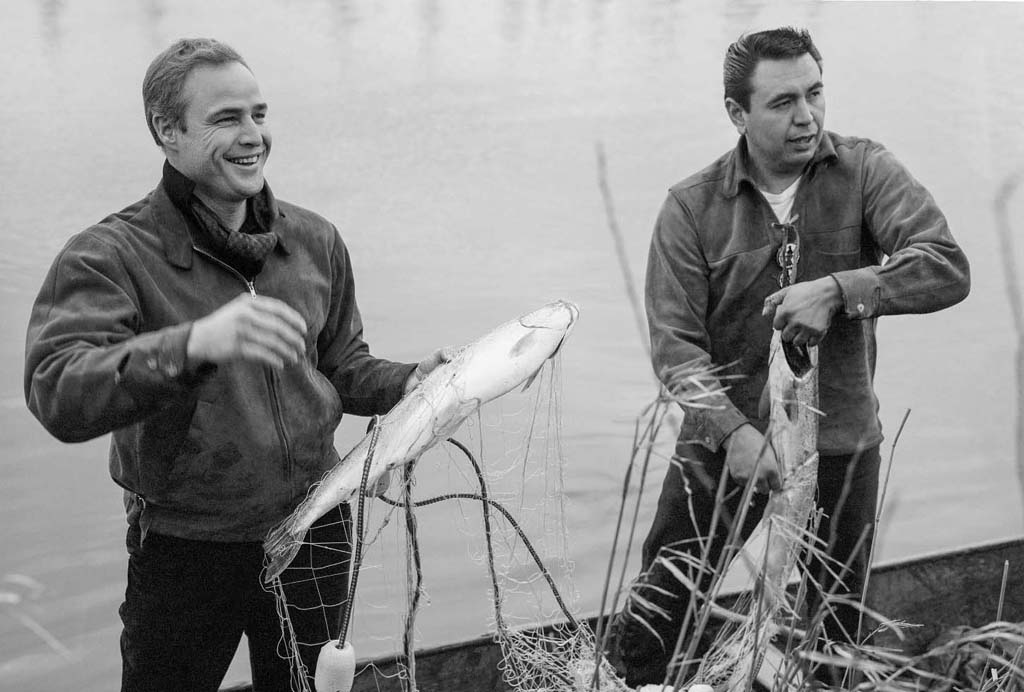
- State Supreme Court issues a narrow ruling regarding treaty fishing rights in State of Washington v. Robert Satiacum on July 1, 1957.
- Guiding Question: How did Native people use the courts to protect their treaty fishing rights?
- Summary: This article explains how Native fishermen used the courts to defend treaty fishing rights and how the Satiacum case became an important step toward later victories protecting tribal rights in Washington.
- Boldt Decision: United States v. State of Washington
- Guiding Question: How did Native tribes use the courts to protect their fishing rights?
- Summary: This article explains how Native tribes in Washington used the courts to protect treaty fishing rights, leading to the landmark Boldt Decision, which affirmed that tribes had a legal right to fish in their usual and accustomed places. Important sections include the treaty-rights background, “Court Decisions and Fish-Ins,” and “The Boldt Decision,”
- Sohappy, David (1925-1991)
- Guiding Question: How did David Sohappy use the courts to protect Native fishing rights?
- Summary: This article explains how Wanapum fishing activist David Sohappy used the courts to defend Native treaty fishing rights and became an important leader in the fight to protect tribal rights on the Columbia River. Important sections of this article include: background about fishing rights, discussion of Sohoappy v. Smith, and sections on impact of the court case.
Court of Appeals
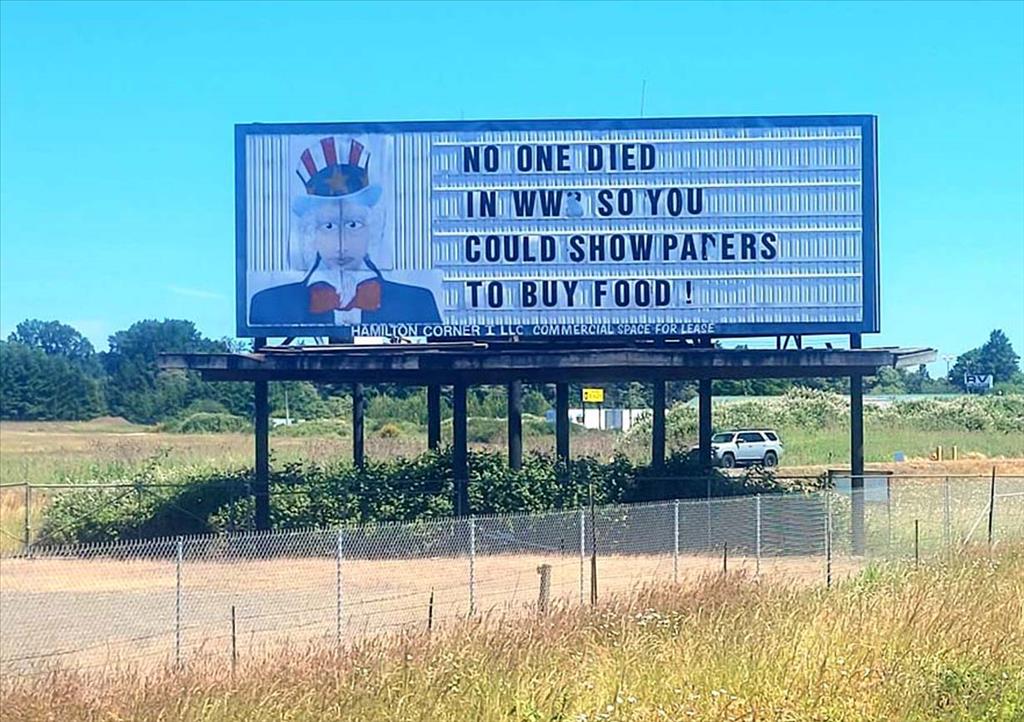
- Washington State Court of Appeals affirms the legality of the Uncle Sam billboard near Chehalis on December 20, 1979.
- Guiding Question: How did the courts protect freedom of speech in Washington?
- Summary: This article explains how a Washington court protected freedom of speech by allowing a controversial political billboard to remain standing, even though some people disagreed with its message.
Further Reading
United States Supreme Court Cases that Originated in Washington
- Hirabayashi, Gordon K. (1918-2012)
- U.S. Supreme Court in Tulee v. Washington upholds some Native American treaty fishing rights on March 30, 1942.
- U.S. Supreme Court strikes down loyalty oaths for Washington state employees on June 1, 1964.
- Supreme Court rules in the Japanese Immigrant Case, Yamataya v. Fisher, on April 6, 1903.
- World War II Incarceration of Japanese Americans in Washington.
Brought to you by HistoryLink
Text Tools
Hover over text blocks (like this one!) to reveal copy option. Just click to copy formatted text and paste in your document.
Media Tools
Look for these icons:
Copy images and their captions with a click and paste into your document.
Downloads include images and a text file with filenames & captions for easy reference.
Tools may be disabled. Click the pencil icon to toggle on or off.