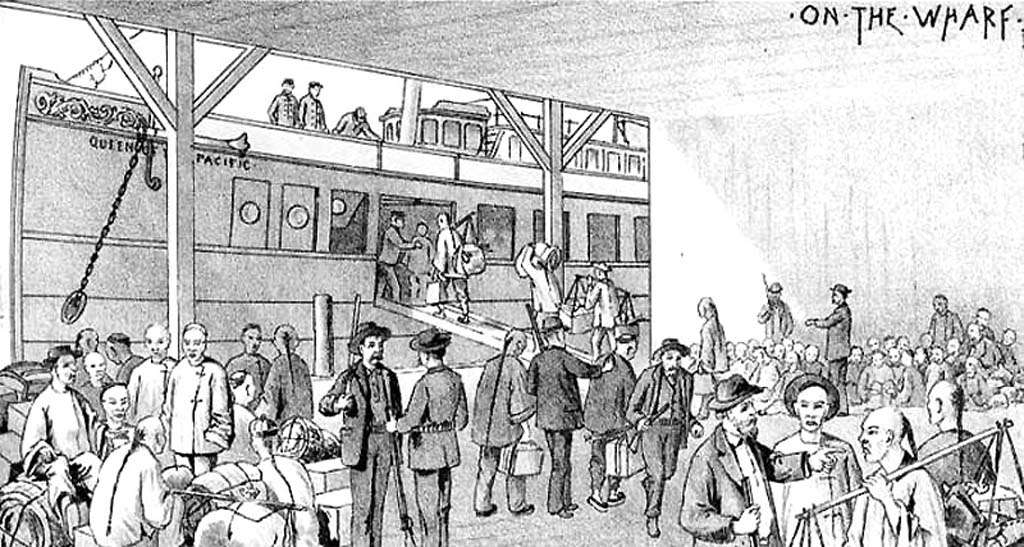
How were Chinese immigrants treated in Washington Territory—and how did the Chinese Exclusion Act change their lives?
- Regions: Central Sound, Columbia Basin, North Central, North Sound, Northeast, Olympic Peninsula, South Central, South Sound, Southeast, Southwest
- Theme: State
- Topics: Civics, Economic & Labor History
Introduction
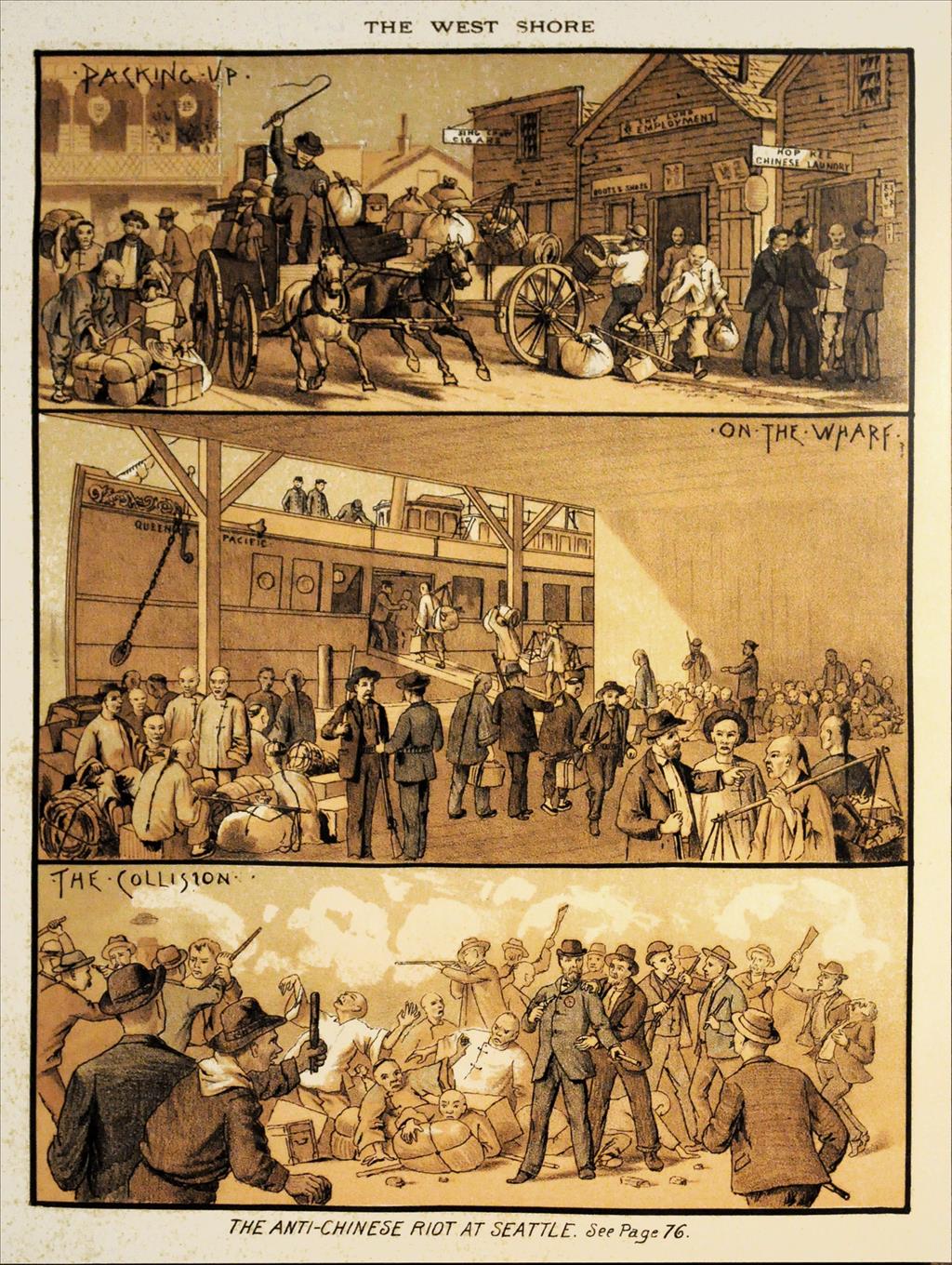
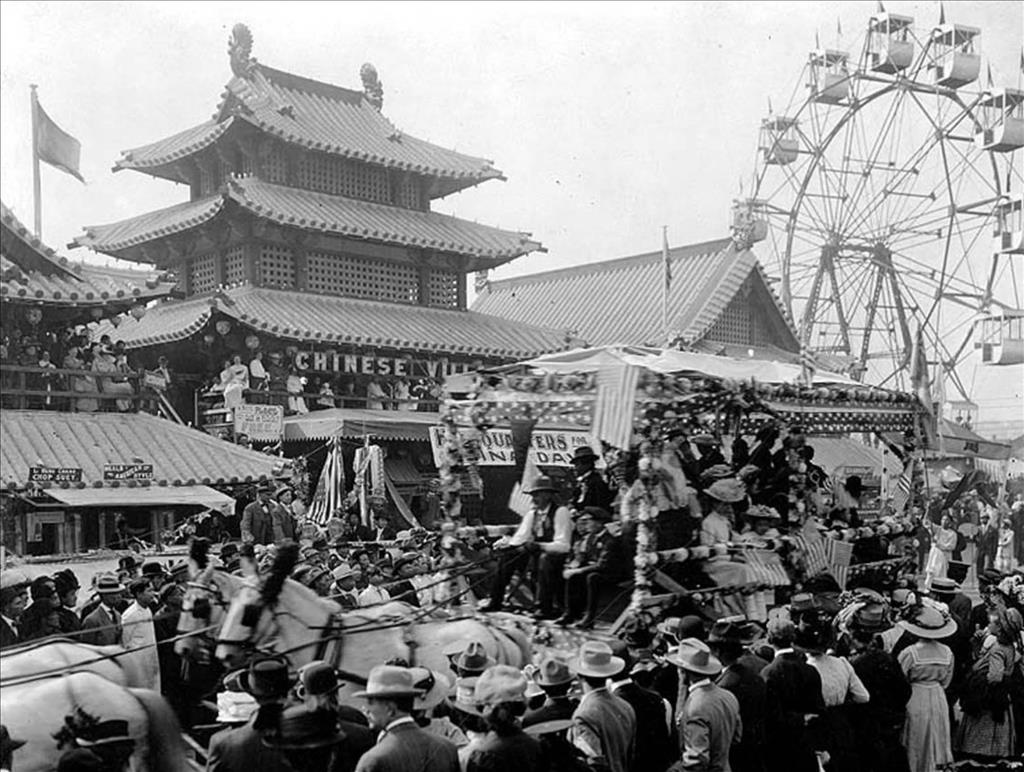
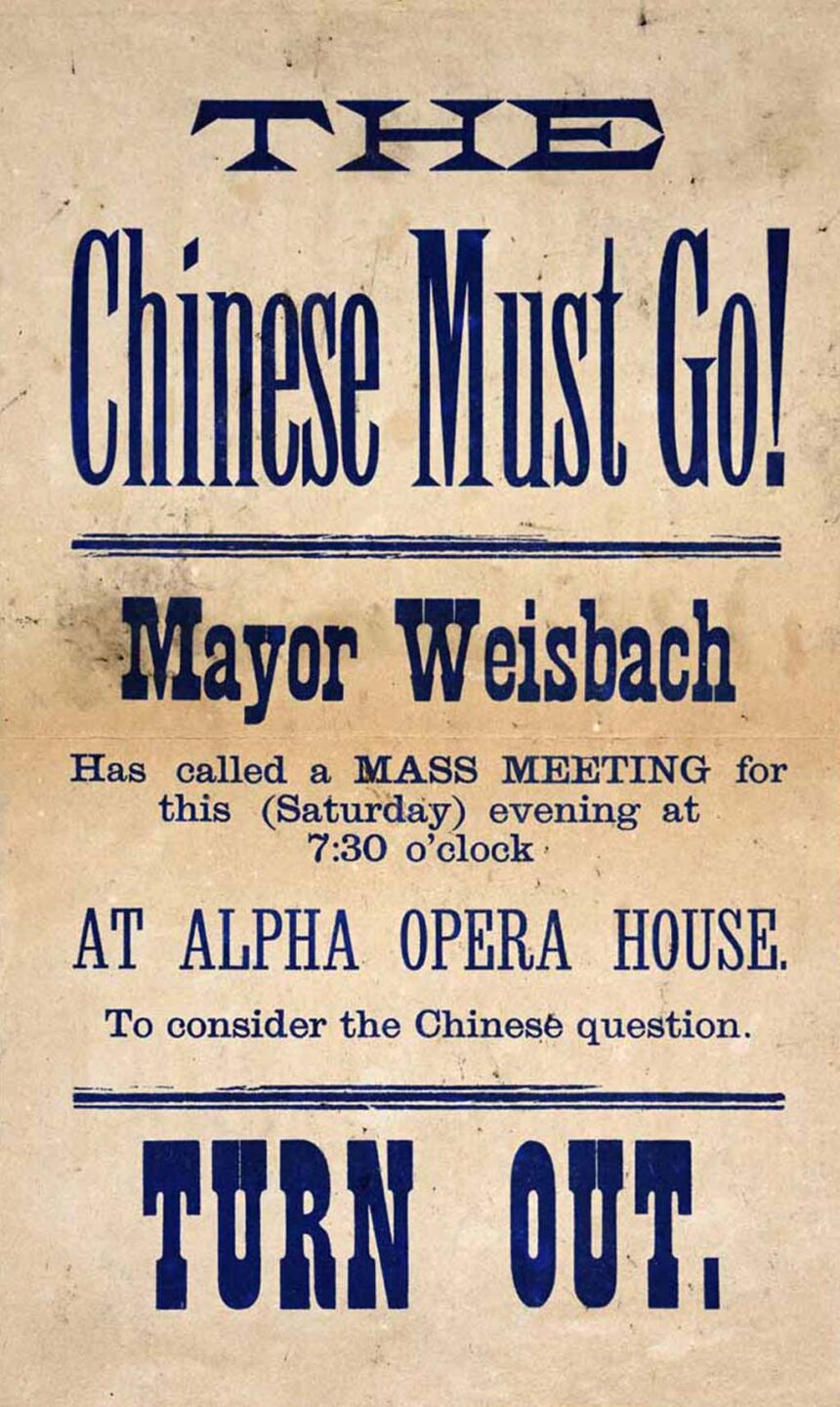
In the 1800s, Chinese immigrants arrived in Washington Territory to work in mining, railroad construction, fishing, and other industries. They built communities, contributed to the economy, and faced increasing hostility as anti-Chinese sentiment grew across the American West. In this inquiry, students examine how Chinese immigrants lived, worked, and were treated in early Washington, and how federal laws like the Chinese Exclusion Act of 1882 shaped their experiences. Students analyze sources describing violence in Seattle and Tacoma, the expulsion of Chinese communities, and efforts to resist exclusion. This inquiry encourages students to explore the intersection of immigration, racism, and rights, both then and now.
Images

HistoryLink Articles
Background: Chinese Americans
-
- Chinese Americans in Washington
- Guiding Question: What is the story of Chinese immigrants in Washington, and how did they help build it?
- Summary: This text provides an overview of the topic of Chinese Americans and the critical role they played in the development of Washington State. It also includes cultural development and introduces Chinese Exclusion.
- 1880 Census: Tenth Decennial Census illustrates dramatic growth in the population of Washington Territory, influx of Chinese workers, and gains by Native and African Americans.
- Guiding Question: What can we learn about Chinese immigrant population growth from the 1880 census?
- Summary: This article uses census records to show how the Chinese population in Washington grew. Focus on the introductory paragraph and the highlighted linked text.
- Spokane Neighborhoods: Old Chinatown — Trent Alley — Thumbnail History
- Guiding Question: What can Spokane’s Chinatown teach us about the lives of Chinese immigrants in Washington?
- Summary: This article explains how Spokane’s Chinatown grew into a thriving Chinese community where immigrants lived, worked, ran businesses, and helped build the city despite facing discrimination. Note: this article references prostitution.
- Chinese Americans in Washington
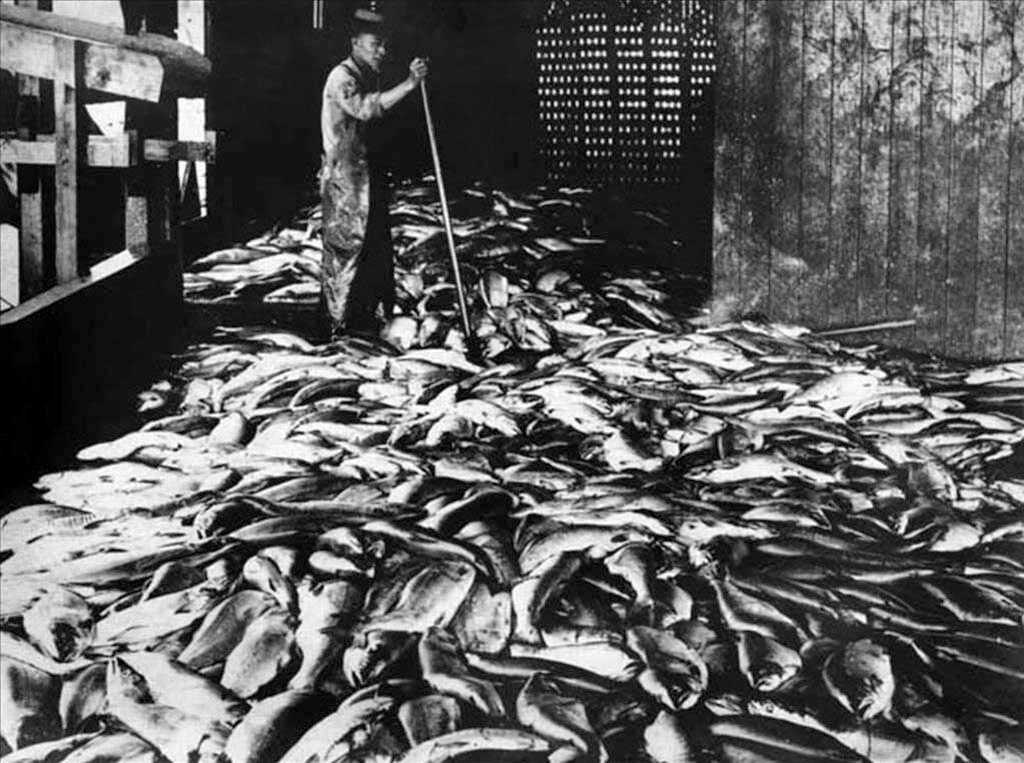
What work did Chinese Immigrants do?
-
- The first salmon cannery on the Columbia River opens at Eagle Cliff, Wahkiakum County, in 1866.
- Guiding Question: How did Chinese immigrants help the salmon canning industry grow?
- Summary: This article explains how the first salmon cannery on the Columbia River changed the fishing industry by making it possible to preserve and ship large amounts of salmon to distant markets. Focus on the introductory paragraphs and the linked highlighted text, which focuses on Chinese immigrant labor at the canneries.
- Chinese Workers in the San Juan Islands
- Guiding Question: How did Chinese immigrants work in and help communities in the San Juan Islands?
- Summary: This article explains how Chinese immigrants worked in canneries, farms, and other jobs in the San Juan Islands and helped support the local economy despite facing discrimination.
- The first salmon cannery on the Columbia River opens at Eagle Cliff, Wahkiakum County, in 1866.
Resistance to Chinese Immigration & Workers
-
- Anti-Chinese Activism in Seattle
- Guiding Question: What challenges did Chinese immigrants face in Seattle?
- Summary: This article explains how many Chinese immigrants in Seattle faced unfair treatment and discrimination, even though they helped build businesses and industries in Washington.
- White and Native American hop pickers attack Chinese workers in Squak (Issaquah) on September 7, 1885.
- Guiding Question: What challenges did Chinese immigrants face in Washington?
- Summary: This article explains how Chinese workers in Washington faced discrimination and violence, even though they were important workers in industries such as farming, mining, railroads, and canneries.
- Tacoma expels the entire Chinese community on November 3, 1885.
- Guiding Question: How did discrimination affect Chinese communities in Washington?
- Summary: This article explains how Tacoma’s Chinese residents were forced from the city in 1885, showing how discrimination affected Chinese communities in Washington despite their contributions to local businesses and industries.
- Mobs forcibly expel most of Seattle’s Chinese residents beginning on February 7, 1886.
- Guiding Question: How did anti-Chinese actions affect Chinese families living in Seattle?
- Summary: This article explains how a mob forced many Chinese residents to leave Seattle in 1886, showing how discrimination and anti-Chinese attitudes affected Chinese communities in Washington.
- Anti-Chinese Activism in Seattle
Changing Policy Towards Chinese Immigration in the 1900s
-
- Chinese Exclusion Repeal Act, aka the Magnuson Act, is signed on December 17, 1943.
- Guiding Question: How did the Magnuson Act change life for Chinese Americans?
- Summary: This article explains how the United States ended the Chinese Exclusion Act during World War II, allowing Chinese immigrants to become citizens and beginning a new chapter for Chinese Americans.
- Chinese Exclusion Repeal Act, aka the Magnuson Act, is signed on December 17, 1943.
Curriculum
Brought to you by HistoryLink
Text Tools
Hover over text blocks (like this one!) to reveal copy option. Just click to copy formatted text and paste in your document.
Media Tools
Look for these icons:
Copy images and their captions with a click and paste into your document.
Downloads include images and a text file with filenames & captions for easy reference.
Tools may be disabled. Click the pencil icon to toggle on or off.